What is the fastest way to create generational wealth?
The fastest path to generational wealth combines disciplined saving, tax-efficient investing, and strategic estate planning. Start by maximizing contributions to tax-advantaged accounts like 401(k)s and Roth IRAs, then diversify globally to capture long-term market growth. Pair this with proactive tax management—Roth conversions, tax-loss harvesting, and strategic withdrawal sequencing—to minimize lifetime tax drag. Finally, establish trusts and beneficiary structures early to protect assets from probate, creditors, and estate taxes, ensuring seamless wealth transfer to the next generation.
How much money do you need to have for generational wealth?
There's no fixed threshold—generational wealth depends more on strategy than dollar amount. Even mid-six-figure portfolios can sustain multiple generations when paired with tax-efficient structures, disciplined distributions, and values-based education. The key is building assets that outlive your spending needs, protecting them through trusts and estate planning, and teaching heirs stewardship principles. We've helped families with $500,000 to $50 million create lasting legacies—what matters most is intentional planning, not arbitrary benchmarks.
What's the difference between estate planning and legacy planning?
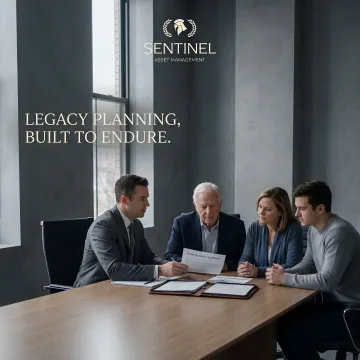
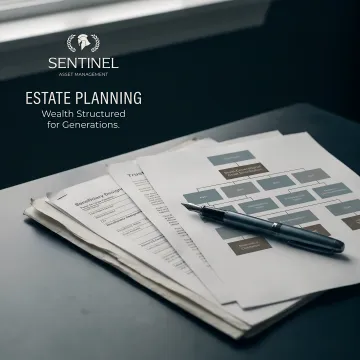
Estate planning focuses on the legal and financial mechanics—wills, trusts, beneficiary designations, and tax strategies that ensure efficient asset transfer. Legacy planning goes deeper: it's about articulating your values, educating your heirs, and creating structures that preserve family relationships alongside wealth. We help you design both: the legal framework to protect assets and the educational roadmap to ensure your children and grandchildren steward wealth with wisdom, not entitlement.
How do you minimize estate taxes across generations?
We coordinate three core strategies: strategic gifting during your lifetime (leveraging annual exclusions and lifetime exemptions), trust structures that remove assets from your taxable estate, and tax-efficient account positioning across taxable, tax-deferred, and tax-free buckets. We also model Roth conversions, Qualified Charitable Distributions, and intentional asset titling to reduce exposure. Every plan is customized to your family's circumstances and aligned with current IRS rules to maximize what reaches your heirs.
What is a multi-generational trust and when should I consider one?
A multi-generational trust (often called a dynasty trust) holds assets for the benefit of multiple generations, protecting them from estate taxes, creditors, and divorce settlements. It's ideal for families with substantial wealth who want to preserve assets beyond their children's lifetimes. We help you determine if this structure fits your goals, collaborate with estate attorneys to design it properly, and integrate it into your broader wealth plan to ensure seamless coordination with your other accounts and intentions.
How do you educate heirs to be good stewards of inherited wealth?
We start with a pilot program: a small, supervised pool of assets that allows beneficiaries to practice investing, budgeting, and decision-making before full inheritance. We facilitate family meetings to discuss values, financial principles, and the responsibilities that come with wealth. Many clients pair this with staged inheritance structures—distributing assets in tranches tied to age or life milestones—and involve heirs in philanthropic decisions to build character alongside competence.
Can you help with wealth planning if I'm divorced or going through a divorce?
Absolutely. Our team has deep personal and professional experience with the financial complexities of divorce. We provide personalized planning to protect your future during settlement negotiations and beyond—modeling post-divorce cash flow, evaluating QDRO structures for retirement accounts, coordinating beneficiary updates, and building a revised wealth plan aligned with your new reality. We help you regain confidence and clarity during one of life's most challenging transitions.
What happens during the initial wealth planning consultation?
Our discovery process begins with understanding your full financial picture—assets, income sources, tax situation, estate documents, and family dynamics. We discuss your goals: retirement timing, legacy intentions, philanthropic priorities, and concerns about heirs or special needs planning. From there, we stress-test scenarios, identify gaps in your current plan, and design a comprehensive strategy integrating investments, taxes, estate structures, and risk management. You'll leave with clarity, next steps, and a roadmap tailored to your vision.